🩺 Medicine
Gene Therapy During Heart Bypass Could End Repeat Surgeries Forever
Doctors in Scotland have achieved another medical first: delivering gene therapy during heart bypass surgery to make grafted blood vessels stronger and longer-lasting, potentially preventing future heart failure and eliminating the need for repeat surgeries.
The groundbreaking PROTECT trial, led by NHS Greater Glasgow and Clyde and the University of Glasgow in collaboration with NHS Golden Jubilee and the University of Edinburgh, treats blood vessel grafts directly during surgery.
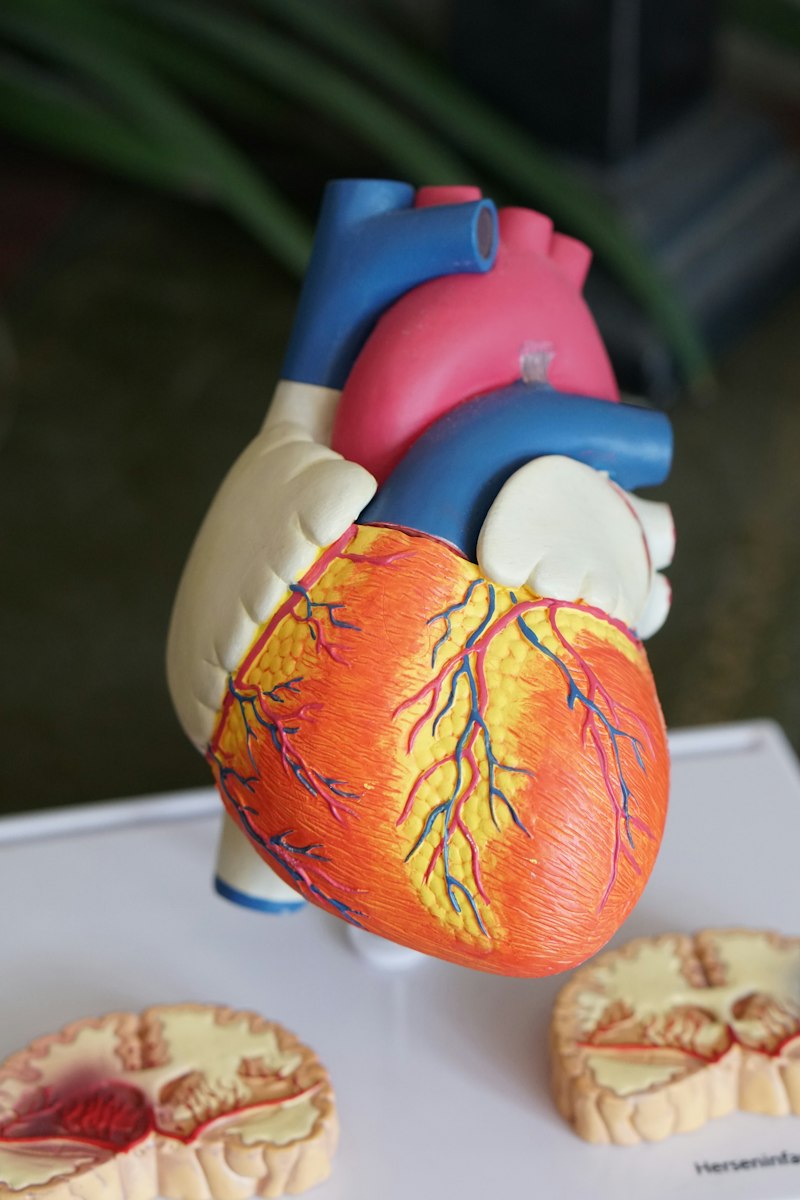
Heart bypass surgery saves lives by using healthy blood vessels to bypass blocked arteries. But there's a problem: vein grafts often fail because they're not designed to withstand the heart's high blood pressure. Over time, they thicken, narrow, and block—sending patients back for more surgeries.
The new gene therapy introduces the TIMP-3 protein into the vein before it's grafted. TIMP-3 is involved in tissue remodeling, and higher levels could prevent blood vessel thickening and blockages.
'Our team has developed a new approach to prevent vein graft failure. The new gene therapy has been developed over more than two decades of teamwork involving many experts,' said Professor Colin Berry at the University of Glasgow and NHS Golden Jubilee. 'We are delighted to be leading this new study, which is designed to clarify the feasibility and potential benefits of this new therapy for patients undergoing heart bypass surgery.'
The treatment is delivered safely and efficiently directly to the graft tissue at the time of surgery. If successful, it could extend patients' healthy life expectancy and dramatically reduce the need for further operations.
'This pioneering study is an inspiring reminder of how far gene therapy, which was once a distant scientific ambition, has come,' added Professor James Leiper, Director of Research at the British Heart Foundation. 'We look forward to seeing the results of this exciting trial in a few years.'
Heart disease affects millions globally. A one-time gene therapy treatment that prevents graft failure could transform outcomes for bypass patients worldwide.