🌿 Nature
Australia's 'Native Cat' Is Back: Eastern Quolls Return to the Mainland After 63 Years
Australia lost its 'native cat' in 1963. Now, against all odds, it's coming back.
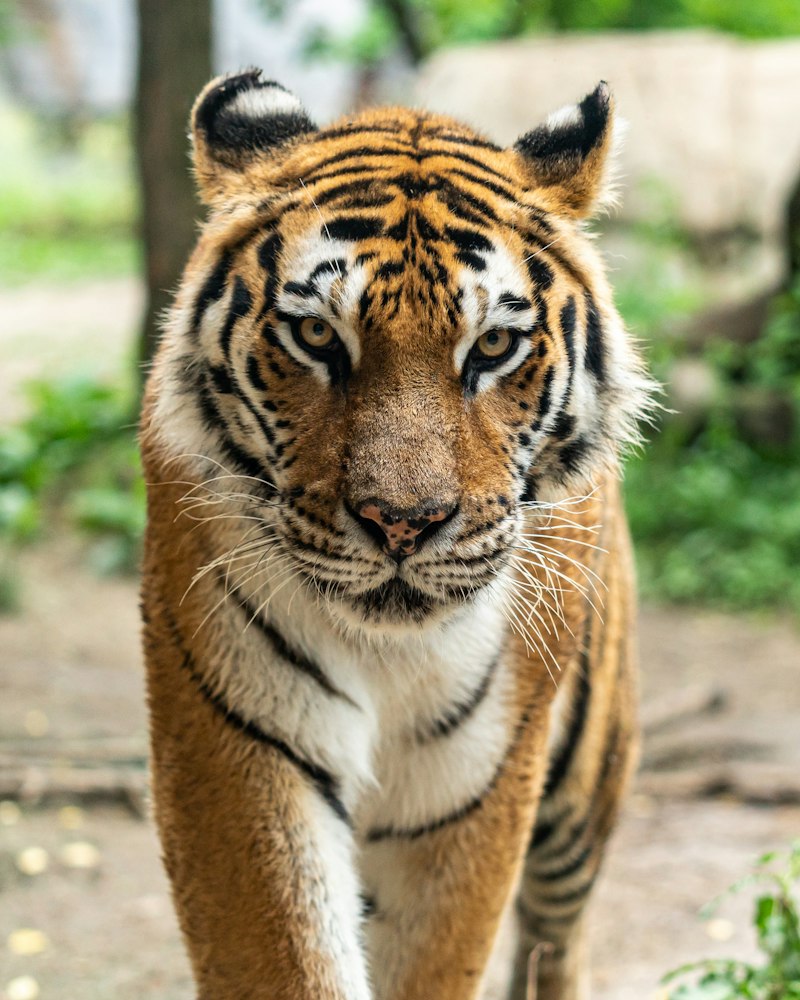
Eastern quolls — the spotted, cat-sized marsupials that once roamed mainland Australia — have been declared extinct on the mainland for 63 years, wiped out by the introduction of the red fox in the late 19th century. But a landmark conservation effort in western Victoria has just delivered extraordinary news: the animals have successfully bred in the wild on the mainland for the first time since their disappearance.
Conservationists with the South-West Eastern Quoll Hub trapped and re-released 27 eastern quolls at a protected pastoral property near Dunkeld, in Victoria's Grampians region. Recent surveys confirmed that 12 males and seven females found during monitoring were born in the wild — not brought from Tasmania. They are the first generation of mainland-born eastern quolls in more than six decades.
'It's early stages, but it's fair to say it's a successful introduction, absolutely,' said Kai Dailey, conservation manager with one of the agricultural businesses leading the project. 'The survey showed the repopulation program was working incredibly well.'
The project traces its roots to 2013, beginning with native revegetation efforts on pastoral land. Construction of a predator-proof fence began in 2022, alongside an intensive campaign to eliminate foxes from the area — the very predators that caused the quolls' original extinction.
Three pregnant females were released into a fenced 95-hectare enclosure at Mt Sturgeon, Dunkeld two years ago. Two males were later added to increase biological diversity. The team has maintained an almost 50-50 ratio between males and females — a crucial factor for long-term viability.
Previous efforts to reintroduce Tasmanian eastern quolls to the mainland had failed repeatedly due to foxes and other invasive predators. This project tackled that problem head-on, creating a sanctuary zone where quolls could establish a foothold without the threats that drove them to extinction.
The eastern quoll's only remaining wild population had been entirely confined to Tasmania. With this breakthrough, the species now has a second home — on the mainland it once called its own.
For conservationists who have spent years on this project, the confirmation of wild-born quolls is the reward they've been working toward. For Australia, it's a reminder that some stories don't have to end in loss.
Extinction is not always permanent — not when people refuse to accept it. 🐾