In the southeastern corner of France, something remarkable is underway. The Dauphiné Alps — a mountain landscape that once fell silent as predators were hunted out and ecosystems frayed — is coming alive again. All four European vulture species have returned. Wolves are back. And in a few years, the Eurasian lynx may follow.
This is France's largest rewilding project, officially designated as Rewilding Europe's 11th restoration site in June 2025. It represents one of the most ambitious attempts anywhere in Europe to return a mountain landscape to something close to its ecological heritage.
The Vultures Return
It started with the birds. Bearded vultures — massive, bone-eating raptors that once soared across the entire Alpine arc — were gone from France for generations. Reintroduction programmes began in the Dauphiné in 2010, slowly and carefully. By 2025, the bearded vulture population across the Alps had crossed 100 breeding pairs and was declared self-sustaining — a milestone that conservation biologists had barely dared to name out loud just a decade earlier.
They were joined by the other three European vulture species: griffon vultures (reintroduction began 1996), cinereous vultures, and Egyptian vultures. All four now nest or pass through the Dauphiné Alps — the first time in living memory that the full quartet of European scavengers has shared the same French mountain sky.
Wolves Walk Back
Nobody reintroduced the wolves. They came back themselves. Grey wolves migrated naturally from Italy into the French Alps through the 1990s, and they have been gradually expanding their range ever since. The Dauphiné Alps are now part of their territory, and the Vercors Regional Natural Park has been working with local communities since 2018 to manage co-existence — a challenging but ongoing conversation between livestock farmers and conservationists.
The presence of wolves has already begun reshaping how deer and other prey animals move through the landscape, reducing overgrazing in some valleys and allowing riverside vegetation to recover in a process ecologists call a "trophic cascade."
Lynx on the Horizon
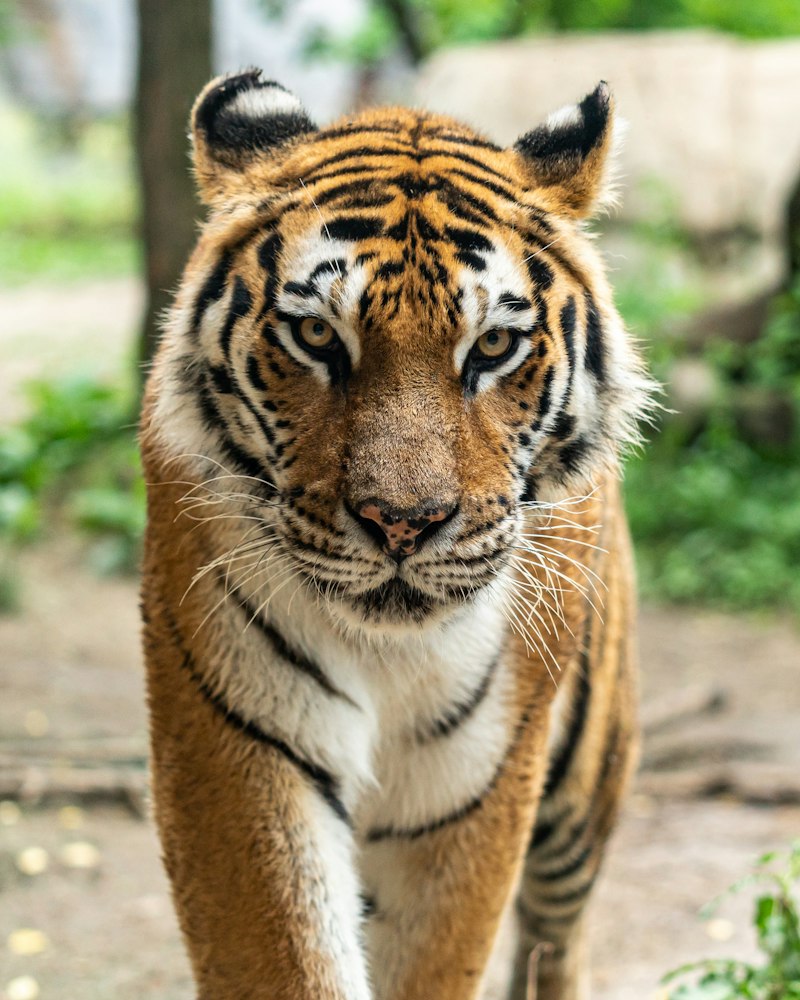
The Eurasian lynx is currently absent from the Dauphiné Alps, though a small population survives in the nearby Chartreuse range. Rewilding France has announced plans to reintroduce the lynx to the region within the coming years. The "Linking Lynx" network — a cross-border collaboration — aims to establish a connected metapopulation of Carpathian lynx stretching into the Western Alps, with the Dauphiné identified as ideal habitat.
The reintroduction will require careful planning and community engagement. But the success of the vultures — creatures most people had written off as gone forever from France — has given the project credibility, and locals something to point to when they need proof that patience and sustained effort can bring species back.
World Rewilding Day
March 20, 2026 was World Rewilding Day — a global celebration of the growing movement to restore ecosystems and return species to the wild. The Dauphiné Alps featured prominently in coverage of France's contributions to the movement, alongside wetland restoration projects in the Loire valley and lynx expansion in the Vosges.
The Dauphiné project offers something rare in conservation: a story that is genuinely working, in a real place, with measurable results. Not a promise of what might happen if conditions align. A forest that is greener, a sky that has more birds in it, and a mountain that is starting to sound, again, like itself.
Sources: Rewilding Europe (Dauphiné Alps landscape page); Mongabay (November 2025 / March 2026); 4vultures.org; Rewilding France; Vercors Regional Natural Park; IUCN Lynx Specialist Group; World Rewilding Day 2026