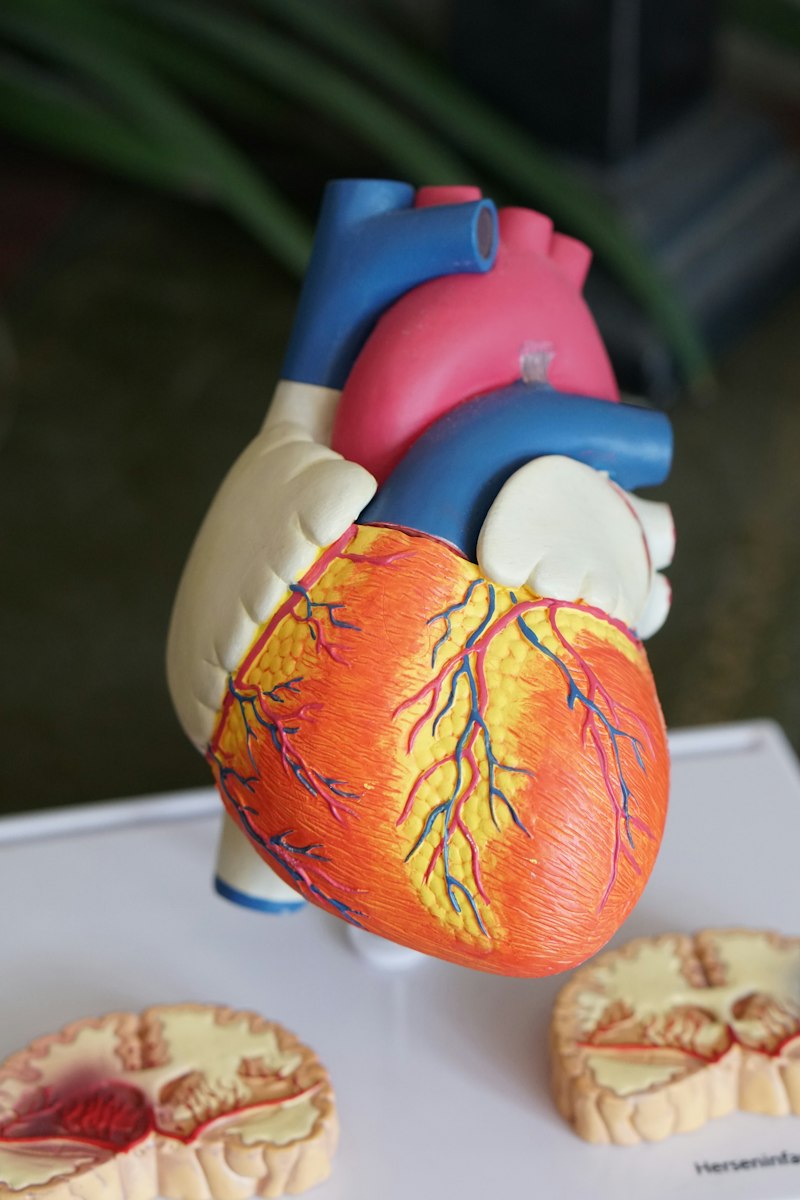
Imagine a material that you inject into the bloodstream and it finds the damaged tissue in your body, calms the inflammation, and kickstarts healing from the inside out. It sounds like science fiction — but researchers at the University of California San Diego have made it real.
How It Works
The breakthrough biomaterial is based on a hydrogel made from the natural scaffolding of cardiac muscle tissue (known as the extracellular matrix). When injected intravenously, the material travels through the bloodstream, naturally accumulates at sites of tissue damage, and creates a supportive structure that encourages cell growth and repair.
"This biomaterial allows for treating damaged tissue from the inside out," said Professor Karen Christman, the UC San Diego bioengineering lead. "It's a new approach to regenerative engineering."
Proven in Heart Attack Models
Heart attacks remain one of the most serious medical emergencies, with an estimated 785,000 new cases each year in the US alone. When blood flow is blocked, cardiac tissue dies and is replaced by scar tissue that can't contract — gradually weakening the heart.
Currently, there is no established therapy that directly repairs heart tissue after an attack. The new biomaterial successfully treated heart attack damage in both rodent and large animal models, reducing inflammation and promoting tissue repair.
Beyond the Heart
The researchers also provided proof of concept that the same biomaterial could help with:
- Traumatic brain injury
- Pulmonary arterial hypertension
The key advantage over previous approaches is that it can be delivered via a simple IV infusion rather than requiring invasive catheter procedures directly into the heart.
Path to Patients
An earlier version of the technology (delivered directly via catheter) already completed a successful Phase 1 human clinical trial in 2019, demonstrating safety and feasibility. The intravenous version could open the door to much wider, easier use.
Dr Ryan R. Reeves, a UC San Diego interventional cardiologist, said: "As someone who treats patients with coronary artery disease and congestive heart failure daily, I would love to have another therapy to improve patient outcomes and reduce debilitating symptoms."
Sources: University of California San Diego, ScienceDaily, Nature Biomedical Engineering (May 5, 2026)