In March 2026, a 23-year-old man in Louisiana became the first person in his state to receive a gene therapy transfusion that doctors believe should cure his sickle cell disease.
His story is not unique — and that's the point.
A Disease That Has Waited Long Enough
Sickle cell disease is the most common inherited blood disorder in the United States. It affects approximately 100,000 Americans, predominantly people of African descent, and millions more worldwide. The disease causes red blood cells to form an abnormal crescent shape, jamming in blood vessels and cutting off oxygen to tissues. The result is excruciating pain crises, organ damage, strokes, and a significantly shortened life expectancy.
For decades, management options were limited to blood transfusions and a handful of medications that reduced the frequency of crises but did not cure the underlying disease. Many patients spent weeks of every year hospitalised. Pain became the background noise of ordinary life.
Then, in December 2023, the FDA approved Casgevy and Lyfgenia — two gene therapies that, in clinical trials, had essentially eliminated pain crises in the vast majority of patients who received them. Casgevy uses CRISPR gene editing; Lyfgenia uses a viral vector. Both work by modifying a patient's own stem cells to produce healthy haemoglobin.
The Wave of First-in-State Cures
Since approval, a remarkable pattern has been unfolding across the United States: patient after patient, in state after state, becoming the first in their region to receive treatment — and reporting transformative results.
- In December 2024, a 21-year-old from New York became the first in the state to be cured using Lyfgenia — and has been symptom-free since.
- In January 2026, a 19-year-old in South Florida was described by doctors as "essentially cured" — no pain, no crises, no fatigue.
- In January 2026, a teenager at Children's National Hospital in Washington D.C. had his genetically modified bone marrow producing healthy red blood cells, eliminating his need for transfusion support.
- In March 2026, a Southfield, Michigan student became the first in Michigan to receive the therapy — reporting more energy and feeling "more regular" than he ever had.
- And now, in March 2026, Louisiana has its first.
Each new first represents a centre building capability, a medical team gaining experience, and — most importantly — a patient who no longer has to travel across state lines for a chance at cure.
What the Treatment Involves
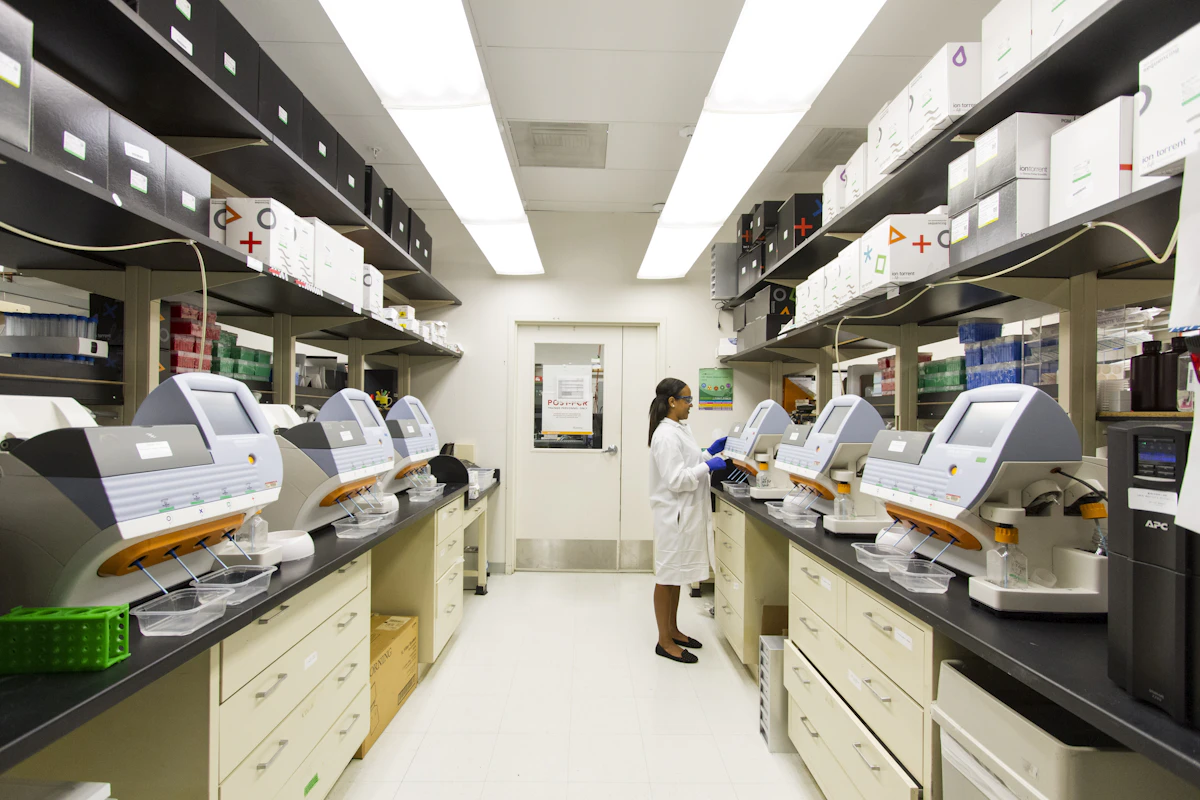
Gene therapy for sickle cell is not a simple procedure. It requires collecting the patient's own stem cells from their blood, sending them to a laboratory for genetic modification, treating the patient with chemotherapy to clear space in their bone marrow, and then reinfusing the corrected cells. The patient spends several weeks in hospital and months in recovery.
The therapy costs approximately $2–3 million per patient — a figure that reflects the complexity of manufacturing personalised cell therapies, and one that raises serious questions about access and equity. Advocacy organisations and some insurance schemes are working to expand coverage, but cost remains the most significant barrier to widespread use.
What Cure Actually Looks Like
For patients who have received it, the results speak in their own language.
"I never thought I would be free of this," said Tatyana Thompson, 32, who was cured via a half-match bone marrow transplant — another expanding curative option. "Every day without pain feels like a miracle."
Victoria Gray, the first American treated with CRISPR gene therapy in 2019, went from spending weeks in hospital every year to having not a single pain crisis in six years. She went back to work. She made plans.
And in Louisiana, a 23-year-old is about to find out what ordinary feels like.
Sources: WWLTV (Louisiana, March 2026) · Click On Detroit (Michigan, March 2026) · CBS News Miami (Florida, January 2026) · Children's National Hospital · Ohio State University Comprehensive Cancer Center · Pharmacy Times · FDA