The first gene therapies for sickle cell disease were a medical miracle — and also priced at over million per patient, requiring infrastructure that exists in only a handful of global cities. For the 90% of sickle cell patients who live in sub-Saharan Africa, they were out of reach.
A new nonviral gene-editing technique is changing that. It is significantly simpler, cheaper, and safer than the viral-vector methods underpinning existing treatments — and clinical trials are now beginning at hubs in Nigeria, Egypt, and Tanzania.
The Problem With the First Cures
Sickle cell disease affects approximately 300,000 newborns annually, the vast majority in Nigeria, DRC, India, and East Africa. The approved treatments — Casgevy and Lyfgenia — require weeks in a specialised bone marrow transplant unit and monitoring capabilities simply not available across most of Africa.
The Nonviral Alternative
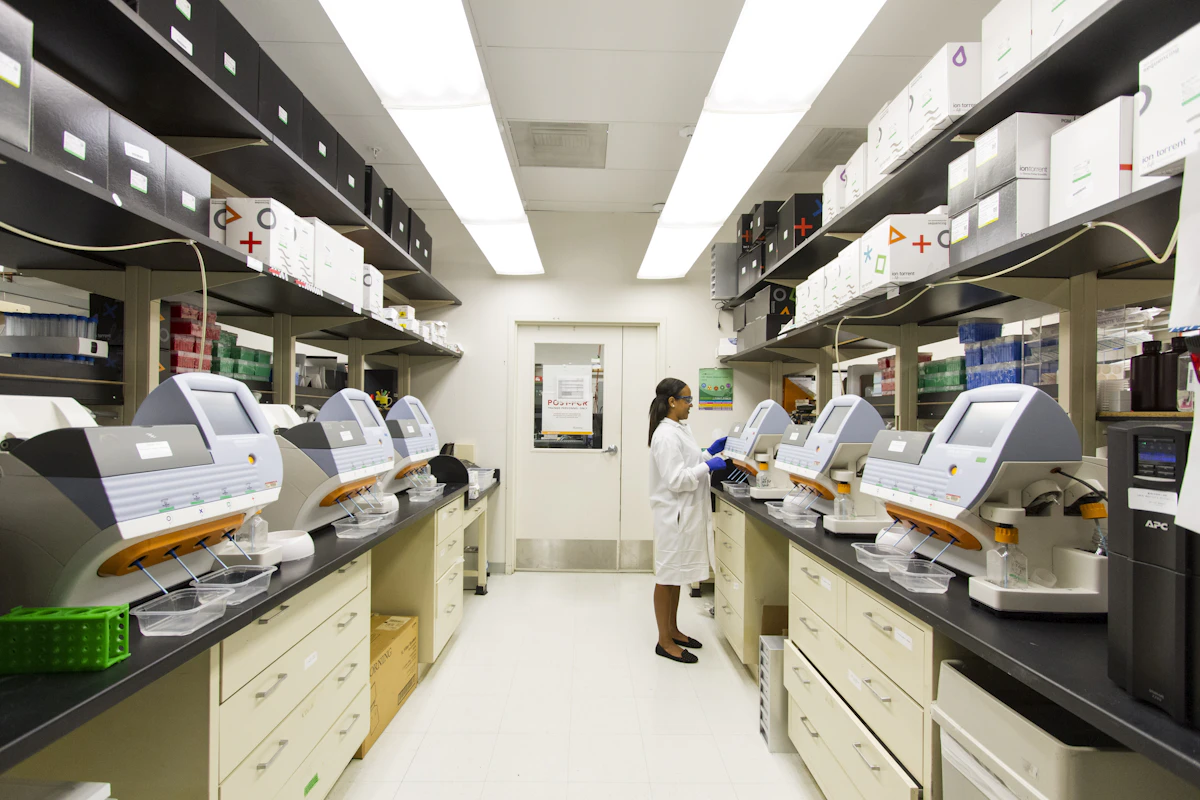
The new approach uses electroporation to deliver CRISPR gene-editing components directly into stem cells without viral vectors. Eliminating the viral vector reduces cost, simplifies manufacturing, and opens the door to producing treatment at regional African centres rather than shipping cells to laboratories abroad.
Early phase data shows the nonviral approach achieves similar outcomes: patients producing foetal haemoglobin at levels that suppress the sickle mutation, with no pain crises in those followed long enough to assess results.
Trials Beginning in Africa
Clinical infrastructure is now being established at African centres for Phase 1/2 trials, with the goal of African-produced, African-delivered gene therapy within three to five years. The Bill and Melinda Gates Foundation, Wellcome Trust, and several African governments are providing funding.
Sickle cell disease kills more children under five in sub-Saharan Africa than almost any other single cause. A treatment that can be delivered in Abuja or Dar es Salaam — rather than only in London or Boston — would be transformative on a scale the initial Western approvals could not achieve.
Sources: ScienceDaily, NDTV Science (March 21, 2026)