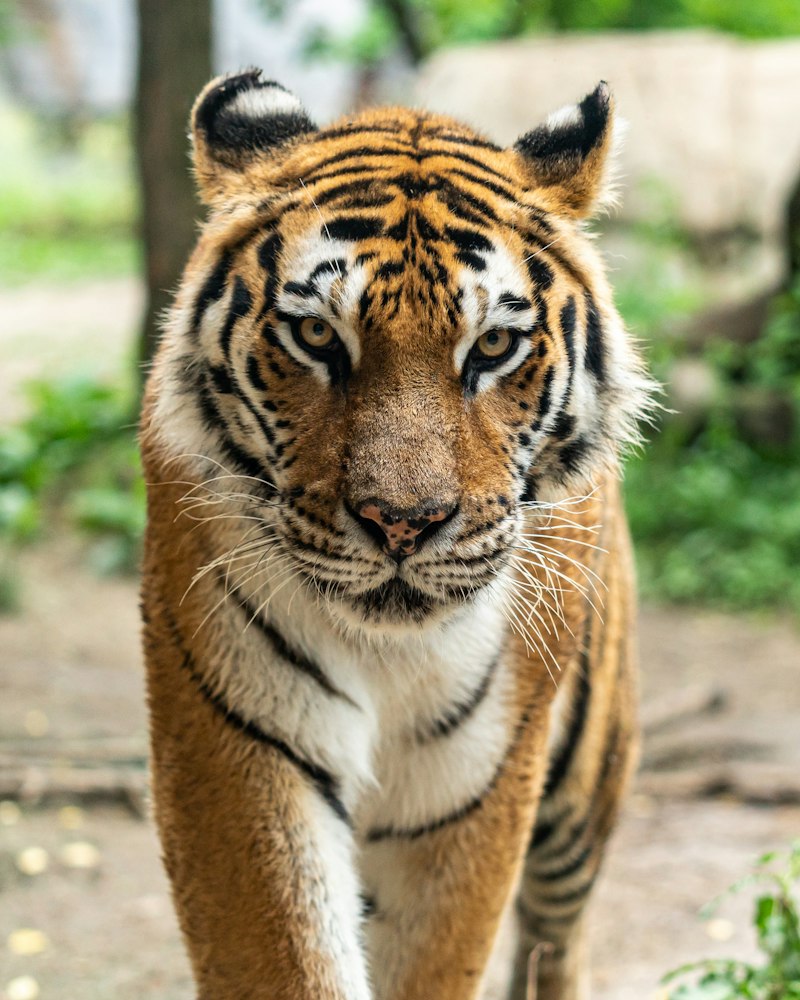
The birth of Sumatran tiger cubs at a wildlife park in the United Kingdom represents a significant conservation milestone for one of the world's most critically endangered big cats.
Good News Network reported on the arrival, noting that with only an estimated 400 Sumatran tigers remaining in the wild, every successful birth in a managed breeding programme matters enormously for the survival of the subspecies.
Why every cub counts
Sumatran tigers are the smallest of the tiger subspecies and are found only on the Indonesian island of Sumatra. Their population has been devastated by habitat loss from palm oil plantations, poaching, and human-wildlife conflict. The International Union for Conservation of Nature lists them as critically endangered, the last step before extinction in the wild.
Managed breeding programmes across European zoos and wildlife parks work carefully to maintain genetic diversity among captive populations, ensuring that these tigers have the best possible chance of long-term survival. Each birth is the result of meticulous planning, genetic matching, and expert care.
A positive story for UK conservation
The cubs' arrival highlights the role that UK wildlife parks play in global conservation efforts. Beyond providing a safe environment for endangered species, these institutions contribute to research, public education, and funding for field conservation projects in native habitats.
For visitors, seeing tiger cubs grow and thrive offers a tangible connection to a species that most people will never encounter in the wild. It is a reminder of what stands to be lost without continued conservation work, and what can be achieved when that work succeeds.
Hope for the future
While the challenges facing Sumatran tigers in the wild remain enormous, each healthy birth in a managed programme adds to the safety net that keeps the species alive. These cubs will eventually contribute to the broader breeding programme, potentially producing future generations of their own.
It is a small but genuinely hopeful sign, and a reason to celebrate the people who dedicate their careers to giving endangered species a future.