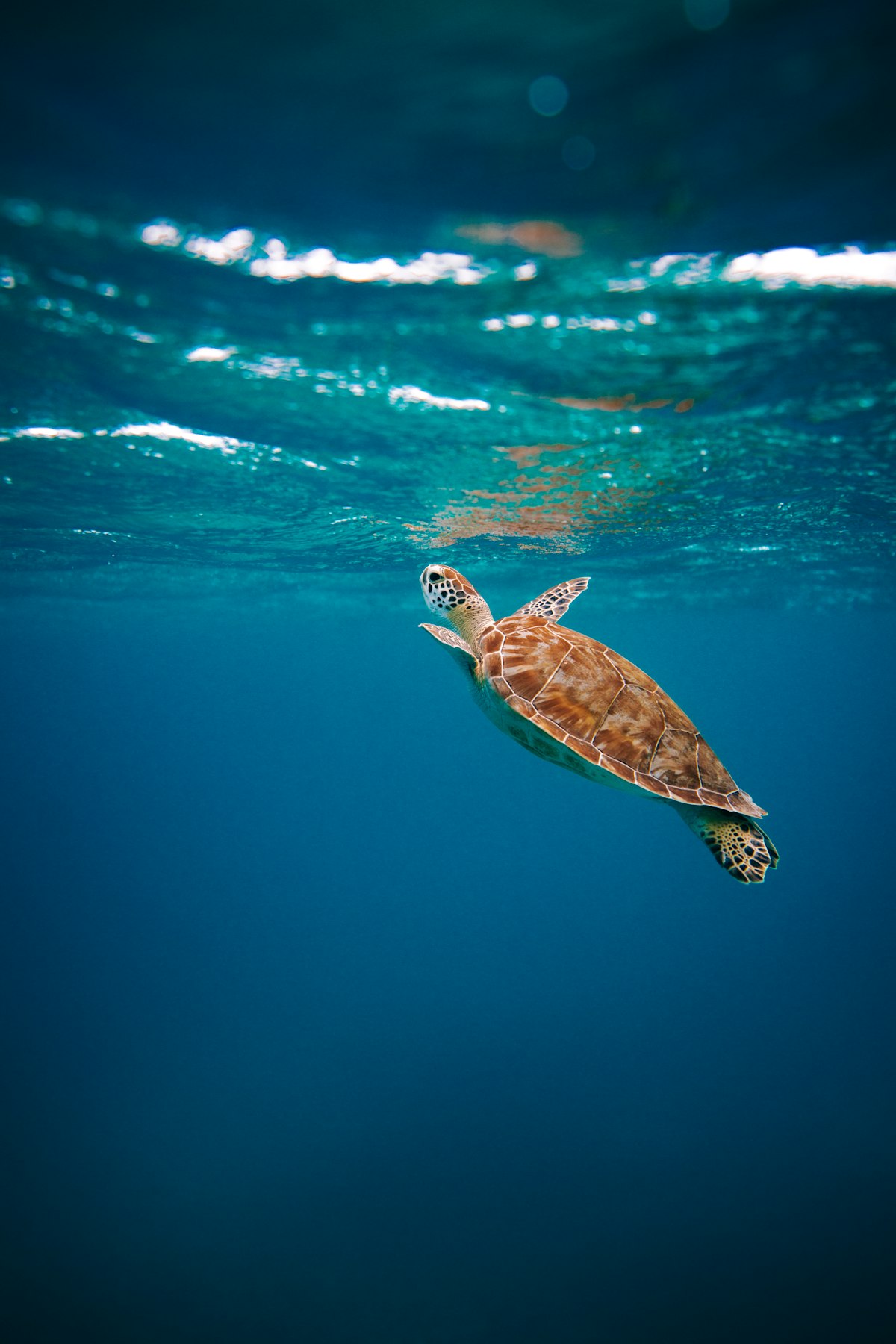
From sea turtles no longer classified as endangered to wild horses galloping across Central Asia again — a wave of recent conservation wins is proving that when humans commit to protecting nature, nature responds with remarkable resilience.
🐢 Green Sea Turtles: From Endangered to "Least Concern"
The headline act: the IUCN has officially downlisted the green sea turtle from "endangered" to "least concern" — the lowest threat category. In the late 20th century, the species experienced a devastating 48–67% population decline due to climate change, pollution, commercial fishing, and illegal wildlife trade.
Thanks to decades of beach protection programmes, fishing regulations, and anti-poaching efforts, populations have bounced back by approximately 28% compared to levels recorded in the 1970s and 1980s. The green sea turtle joins 19 other species downlisted in the IUCN's latest Red List update.
🐎 Wild Horses Return to Central Asia
Przewalski's horses — the last truly wild horse species — are expanding their range across the steppes of Central Asia. Once extinct in the wild, captive breeding programmes and careful reintroduction efforts have brought the population back from just 12 individuals in the 1940s to over 2,000 today. New herds are now establishing territories in areas where wild horses haven't been seen in generations.
🦏 Rhino Poaching Continues to Decline
Rhino poaching figures have dropped for the fifth consecutive year, driven by improved anti-poaching technology, stronger legal protections, and community-based conservation programmes. South Africa — home to the majority of the world's rhinos — reported its lowest poaching numbers in over a decade.
🐋 Humpback Whale Populations Thriving
Several humpback whale populations have recovered so strongly that they've been removed from endangered species lists in multiple countries. The Southern Hemisphere population, once hunted to near-extinction, has rebounded to an estimated 80% of its pre-whaling numbers.
🌲 Global Deforestation Rate Slowing
While still too high, the global rate of deforestation has slowed significantly, with several tropical countries reporting their lowest rates in years. Brazil's Amazon deforestation hit a six-year low, while Indonesia has maintained reduced deforestation for the fourth consecutive year.
🦅 20 Species Downlisted on the IUCN Red List
The IUCN's latest Red List update showed 20 species moving to lower-risk categories — meaning they're no longer as close to extinction as they were. This includes birds, mammals, reptiles, and marine species from every continent. It's the tangible result of conservation investments paying off.
"These wins don't mean the job is done — but they prove that conservation works when we fund it, enforce it, and sustain it over decades." — Conservation biologists
Why This Matters
It's easy to feel overwhelmed by environmental bad news. But the data tells a more nuanced story: where humans have invested in protecting species and habitats, nature has shown an extraordinary ability to recover. The challenge now is scaling these successes — applying what works to the thousands of species still at risk.
The year of the Fire Horse is living up to its promise of vitality, energy, and momentum. Nature is fighting back — and winning.