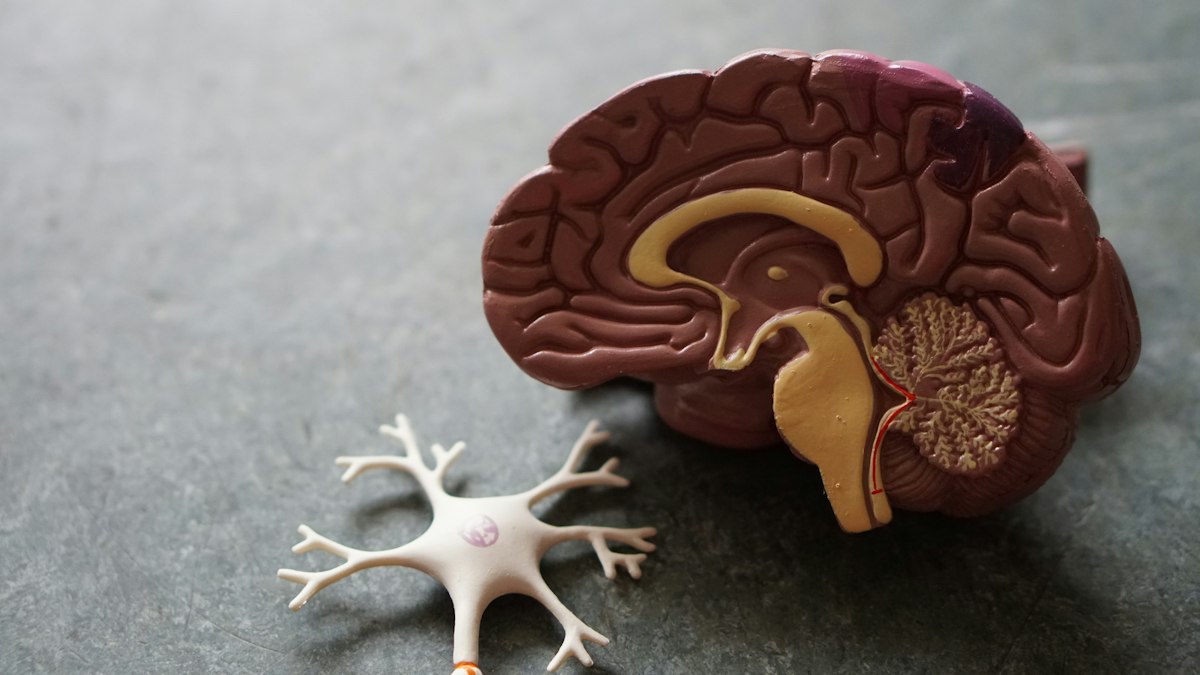
Patients diagnosed with recurrent high-grade astrocytoma — one of the most aggressive and deadly brain cancers — typically face a survival window of just four to five months. A groundbreaking clinical trial has just shattered those expectations.
Immune checkpoint inhibitors have revolutionised cancer treatment over the past decade. These drugs work by unleashing the body's own T-cells to recognise and attack tumours. They've transformed outcomes for melanoma, lung cancer, and many others.
But the brain has remained stubbornly out of reach. The blood-brain barrier — a tightly sealed layer of cells that protects the brain from harmful substances in the bloodstream — also blocks immune cells and cancer drugs from getting through. It's been one of oncology's most frustrating roadblocks.
Breaking Through the Barrier
Researchers at Keck Medicine of USC found an elegant solution: use laser heat to do two jobs at once.
In a Phase 1/2b clinical trial involving 45 patients with advanced recurrent brain cancer, the team combined Laser Interstitial Thermal Therapy (LITT) — a minimally invasive, MRI-guided procedure that uses laser heat to precisely destroy tumour tissue — with pembrolizumab (marketed as Keytruda), a widely used immunotherapy drug.
The laser performs double duty. First, it destroys tumour tissue while sparing healthy brain. But crucially, the heat also temporarily disrupts the blood-brain barrier for several weeks, creating a critical window. Tumour material slips past the barrier into the bloodstream, effectively alerting T-cells to the cancer's presence. Then the immunotherapy drug removes the brakes on those T-cells, letting them flood into the brain and attack.
The Results Were Stunning
Nearly 50% of patients receiving the laser + immunotherapy combination were still alive at 18 months — compared to zero in the control group at the same timepoint.
More than one-third of treated patients survived beyond three years. For a cancer where survival is typically measured in months, these numbers represent a seismic shift in what's possible.
The treatment was well-tolerated, with manageable side effects. The LITT procedure itself is minimally invasive — a small probe is inserted through a tiny incision and guided to the tumour using real-time MRI imaging.
Why This Matters
Both components of this treatment already exist and are approved for other uses. LITT is routinely used for epilepsy and certain brain lesions. Pembrolizumab is one of the most widely prescribed immunotherapy drugs in the world. The innovation lies not in inventing new tools, but in combining existing ones in a way that overcomes the brain's natural defences.
High-grade astrocytoma, which includes glioblastoma, is diagnosed in approximately 13,000 people in the US each year. Despite decades of research, the five-year survival rate has remained dismally low. This trial represents the most significant improvement in outcomes for recurrent cases in years.
What Comes Next
The results, published in Nature Communications, have generated excitement across the oncology community. Larger Phase 3 trials are now being planned to confirm these findings in a bigger patient population.
For the thousands of families who hear the words "recurrent brain cancer" each year, this research offers something that's been in short supply: genuine, evidence-based hope. 🧠✨
Sources: Neuroscience News, Nature Communications, USC Keck Medicine