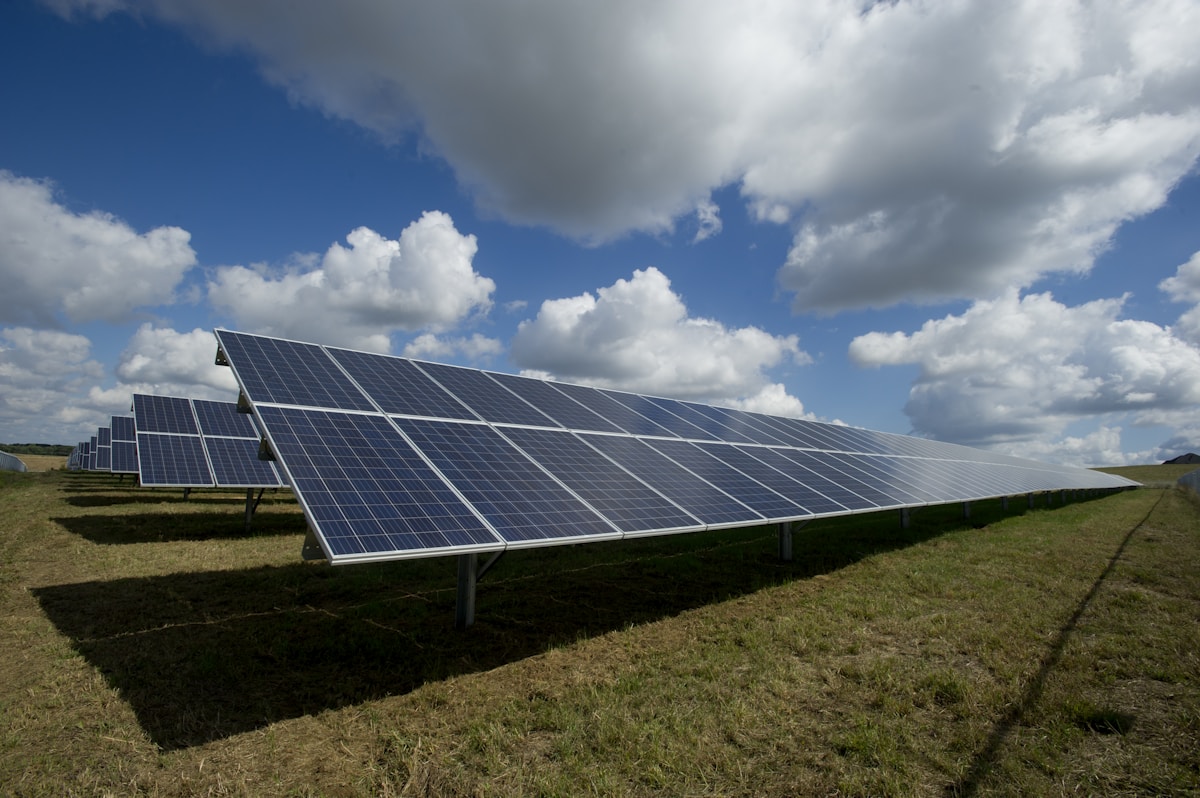
Africa is experiencing a solar energy revolution. In 2025, the continent achieved its fastest year of solar growth on record, with installations soaring by 54% – a dazzling acceleration that's bringing clean, reliable power to millions of people who've never had it before.
According to the Global Solar Council (GSC), more than half of this remarkable growth came from utility-scale installations – massive solar farms that can power entire communities. But perhaps even more inspiring is the grassroots adoption: households and small businesses are driving the revolution too, with import data showing a surge in solar equipment reaching homes across the continent.
Why This Matters: For hundreds of millions of Africans, reliable electricity has been a daily struggle – or completely out of reach. Solar energy, particularly when paired with battery storage, is leapfrogging traditional infrastructure. Communities that never had grid access are now powering homes, schools, and clinics with clean sunshine.
The impact goes far beyond keeping the lights on. Solar energy is enabling:
- Healthcare: Clinics can now refrigerate vaccines and run life-saving equipment
- Education: Students can study after dark and schools can use computers
- Economic opportunity: Small businesses can operate longer hours and entrepreneurs can launch new ventures
- Climate resilience: Solar systems keep working during storms and natural disasters when grids fail
Africa's solar boom mirrors similar transformations happening globally. Recent data showed that India is "industrializing without the long fossil detour" taken by China and the West, powered by cheap renewable technology.
The momentum is building elsewhere too: The UK just recorded a 10-year high for solar deployment in 2025, with small-scale rooftop installations up 32% compared to 2024. Meanwhile, windy storms blowing through Britain's wind farms saved the country £164 million in gas purchases.
What makes Africa's achievement so remarkable is the speed and scale of adoption, driven not by top-down mandates but by practical necessity and plummeting costs. Solar panels that cost thousands just a decade ago are now affordable for ordinary families. Battery storage that was science fiction is now powering villages through the night.
As the world races to combat climate change, Africa is showing the way forward – proving that the fastest path to prosperity isn't through coal and oil, but through harnessing the power that's been there all along: the sun.