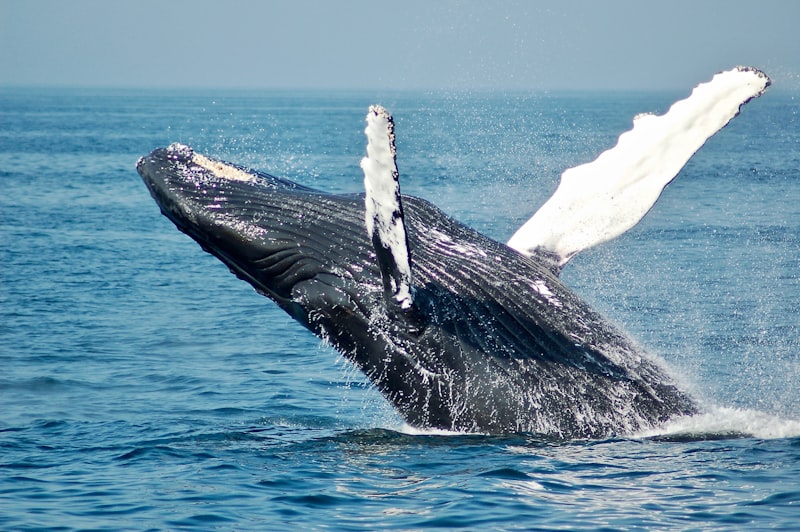
In the far south of Brazil, where the Atlantic Ocean stretches cold and grey toward the Antarctic, a stretch of sea has just received the strongest legal protection the country can give it.
On March 6, 2026, the Brazilian government officially established the Albardão Marine Park — a conservation area covering more than one million hectares of Atlantic Ocean off the coast of Rio Grande do Sul, Brazil's southernmost state. It is the country's largest marine park, and it protects one of the most biologically rich and under-appreciated stretches of ocean in South America.
Rare Dolphins and Threatened Sharks
The park's biodiversity is remarkable. Lahille's bottlenose dolphins, a subspecies so rare that only around 500 individuals are believed to survive, call these waters home. Franciscana dolphins — listed as critically endangered in Brazil and vulnerable globally — also frequent the area. Twenty-three species of sharks and rays, including angelsharks and bowmouth guitarfish, depend on this corridor for feeding and reproduction.
In total, at least 25 endangered species have been identified within the new park's boundaries. The combination of depth, temperature gradients, and upwelling currents makes this stretch of Atlantic unusually productive — a feeding ground and nursery for species under pressure across their wider ranges.
Ice Age Fossils on the Doorstep
The designation also covers a coastal zone of nearly 56,000 hectares, preserving ancient dune fields where something unexpected has been discovered over the years: fossils of Pleistocene megafauna. Ground sloths, saber-toothed cats, giant armadillos, and mastodons — creatures that roamed this landscape tens of thousands of years ago — have been found preserved in the sand and shell deposits along this coastline.
The park therefore protects not just living biodiversity but the geological record of a lost world, an ancient ecosystem memorialised in bone and shell on the margins of the modern ocean.
A Protected Buffer Zone
In addition to the core park, a buffer zone of approximately 614,000 hectares surrounds it, providing graduated protection for species that range across larger areas. Sustainable ecotourism, scientific research, and artisanal fishing are permitted under specific conditions within this zone.
The park's creation follows years of campaigning by conservation groups, who argued that this stretch of the Brazilian coast was both critically important and severely underprotected. The decree signed on March 6 represents the culmination of a process that began nearly two decades ago.
Brazil has been under intense scrutiny globally for deforestation in the Amazon, but marine conservation has been advancing quietly alongside the forest debates. This designation adds substantially to Brazil's total protected ocean area.
Sources: Mongabay · Impactful Ninja · Brazilian Federal Government, March 6, 2026