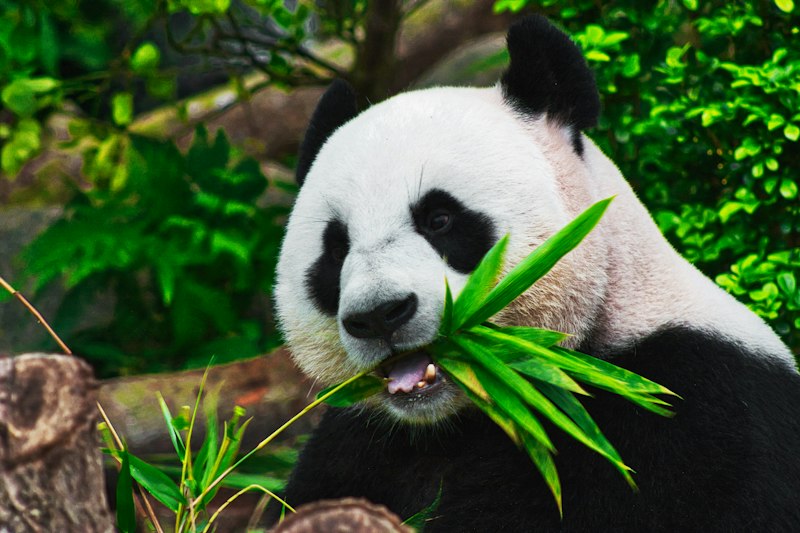
In what conservationists are calling one of the most significant wildlife victories in modern history, the International Union for Conservation of Nature (IUCN) has officially upgraded the giant panda from endangered to vulnerable status — a momentous recognition of decades of dedicated conservation work.
From the Brink to Recovery
As of late 2025, approximately 2,708 giant pandas exist worldwide — about 1,900 in the wild and 808 in captivity. The wild population saw a remarkable 17 percent rise over the decade leading up to a nationwide census, which found 1,864 pandas living free in China's bamboo forests.
The turnaround is the result of extensive efforts by the Chinese government, which has established 67 panda reserves that now protect nearly two-thirds of all wild pandas. These reserves also safeguard mountainous bamboo forests that shelter countless other species and provide natural services to millions of people living downstream.
A Symbol of Hope
Marco Lambertini, Director General of the World Wide Fund for Nature, called the upgrade "an exciting moment for wildlife conservation." The giant panda has served as WWF's logo since the organization's founding in 1961, making it perhaps the world's most beloved conservation icon.
Liu Guohong, Director of China's State Forestry and Grassland Administration, confirmed the population figures, noting the steady increase in both wild and captive populations as evidence that China's conservation strategy is working.
Challenges Remain — But the Model Works
Despite the improved status, conservation experts emphasize that giant pandas remain vulnerable and face ongoing threats from habitat loss and fragmentation. However, the panda's journey from the brink of extinction stands as powerful proof that sustained, science-based conservation efforts can bring species back.
The success provides a template for saving other endangered species around the world. If we can do it for the panda, we can do it for others.
Sources: IUCN Red List, WWF, China State Forestry and Grassland Administration, Daily Planet DC