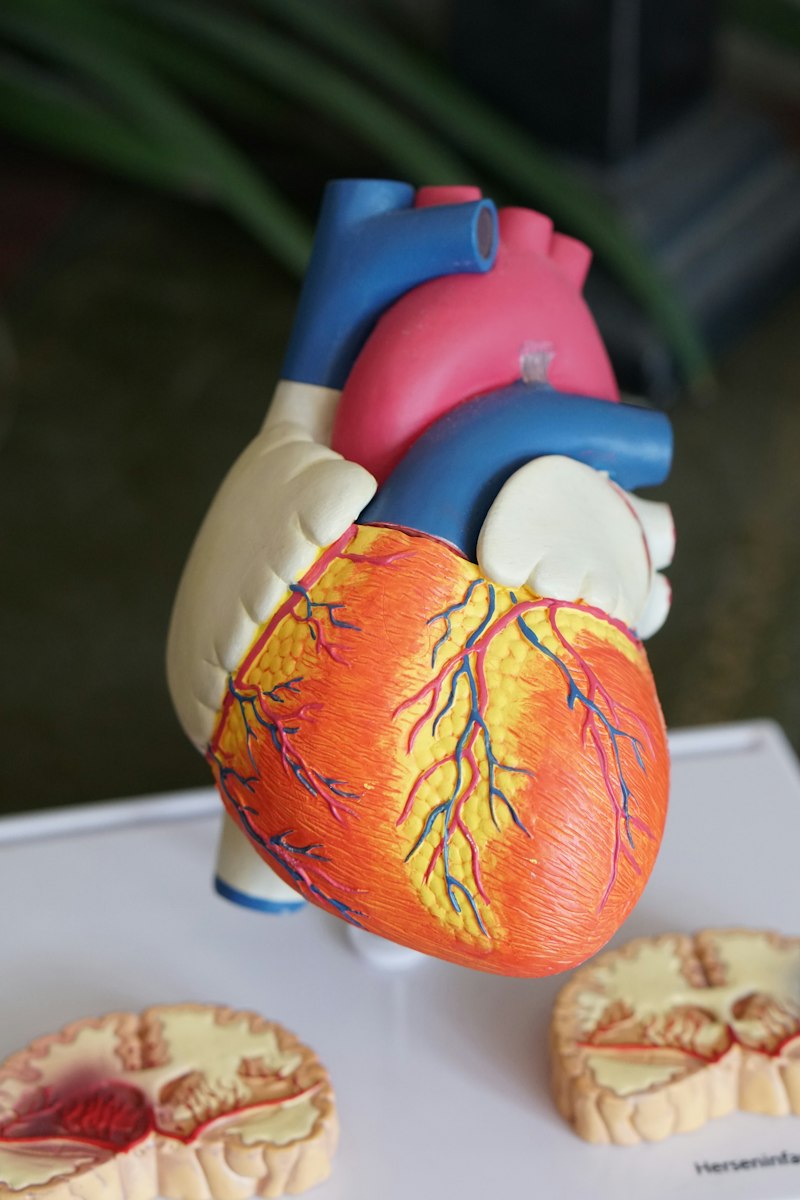
The heart is one of the few organs in the adult body that cannot effectively repair itself. When a heart attack occurs and cardiac muscle dies from oxygen deprivation, that muscle is replaced by scar tissue — permanent, non-contracting, functionally dead. This is why heart attacks cause lasting damage, why they lead to heart failure, and why cardiac disease remains the world's leading cause of death.
The problem isn't simply that we lack good treatments. It's that adult heart muscle cells — cardiomyocytes — lose the ability to divide and regenerate shortly after birth. The regenerative window closes, and it doesn't reopen.
A new study from Temple University, published in the journal Theranostics, suggests it may be possible to force that window back open — with a single injection of modified mRNA.
The Breakthrough
The Temple University team developed a modified mRNA (modRNA) therapy encoding a metabolic enzyme called Psat1 (phosphoserine aminotransferase 1). Psat1 plays a key role in serine biosynthesis — a metabolic pathway that is highly active in fetal heart cells during their rapid proliferative phase, and that shuts down as the heart matures.
By delivering a transient burst of Psat1 via modRNA — the same technology platform used in COVID-19 vaccines — the researchers were able to reactivate cardiomyocyte proliferation in mice after experimentally induced heart attacks.
The key findings:
- A single injection of modRNA encoding Psat1 was sufficient to activate cardiac regeneration
- The therapy reduced infarct size — the area of dead heart tissue — compared to controls
- It improved left ventricular function, the main pumping chamber of the heart
- It reduced fibrosis — the scarring that typically replaces dead heart muscle
- Crucially, the treatment worked even when given days after the heart attack, not just immediately — a critical feature for real-world clinical application, since most heart attack patients don't arrive at hospital instantly
Why modRNA Is the Right Tool
The use of modified mRNA is deliberate and important. Unlike gene therapy approaches that permanently alter DNA, modRNA provides a transient burst of protein expression — the Psat1 enzyme is produced for a period of days, stimulates cardiac regeneration, and then the mRNA degrades naturally. This controlled, temporary approach reduces the risk of uncontrolled cell growth or long-term off-target effects.
The COVID-19 vaccine era demonstrated that modRNA can be manufactured at scale, stored, and safely delivered — solving logistics problems that previously made this kind of approach theoretical.
The Bigger Picture
Temple's work joins a growing body of research exploring mRNA-based cardiac therapies. Moderna is currently conducting a Phase 1B clinical trial for mRNA-0184, which uses mRNA to direct heart cells to produce relaxin — a hormone that promotes blood vessel growth and cardiac recovery in patients with stable heart failure.
Columbia University researchers have also shown that self-amplifying RNA encoding a heart-protective peptide can improve cardiac function in animal models when delivered via muscle injection — effectively turning skeletal muscle into a long-acting RNA factory.
None of these treatments have yet reached the finish line of human clinical approval. But the convergence of multiple mRNA platforms — each approaching cardiac repair from a different angle — suggests the field is moving rapidly toward the goal that has eluded medicine for decades: a meaningful, practical way to help the heart heal itself.
Sources: Theranostics · Temple University news release · Bioxconomy · ScienmAg · Moderna Phase 1B trial data