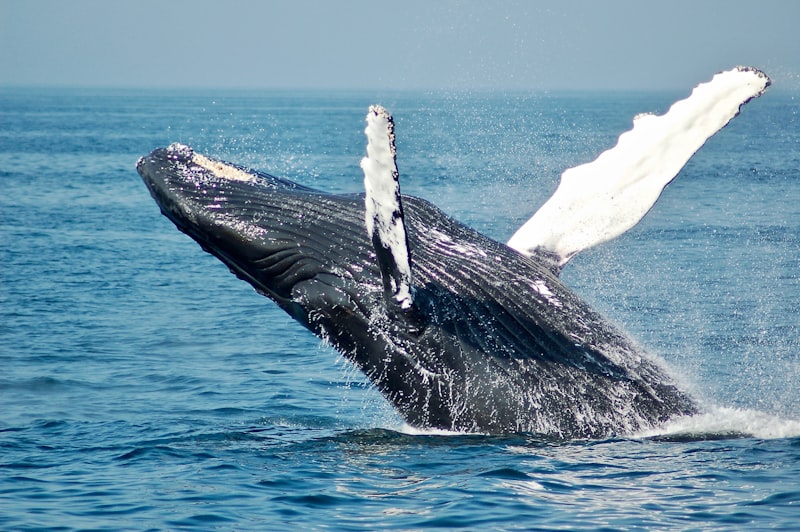
Every winter, researchers anxiously scan the warm waters off the southeastern United States, looking for one of the ocean's rarest animals: the North Atlantic right whale. This year, they have more to celebrate than in years past.
Scientists have documented 22 new calves during the 2025-2026 calving season — more than double the 11 recorded the previous year, and one of the most encouraging tallies in nearly a decade. The season, which runs from mid-November to mid-April, still has weeks remaining.
A Population Pulling Back From the Brink
The North Atlantic right whale was once found throughout the Atlantic, but centuries of commercial whaling reduced the population to the edge of extinction. Today, an estimated 384 individuals remain — up from a low of 358 in 2020, according to the New England Aquarium's Right Whale Research Program. While that number is still critically small for a species that can live 70 years, the recent trajectory is upward for the first time in years.
This calving season's results particularly stand out because reproductive rates had slowed dramatically. The average interval between calves had stretched from roughly three years to six to ten years — a sign that the whales were under chronic stress from entanglement in fishing gear and vessel strikes. This year's surge in births suggests that at least some females are recovering.
How Scientists Track Them
NOAA's aerial surveys and the New England Aquarium's photo-identification database track each individual by the unique pattern of rough white patches on their heads, called callosities. Researchers have names for hundreds of animals. When a calf is sighted, scientists work to identify its mother and document when and where it was born.
One calf spotted this season was notably larger than expected for its apparent age — leading researchers to suspect it was born earlier than documented, meaning the true count may even be slightly higher.
Still Endangered — But Reasons for Hope
Scientists are cautious. To stabilise and grow the population, the species needs roughly 50 calves per year. Twenty-two is better than eleven, but it's still less than half that threshold. The ongoing Unusual Mortality Event, declared in 2017, has not been officially lifted. Entanglement in rope from lobster and crab fishing gear remains the leading cause of death and injury.
But new ropeless fishing gear is being developed and tested by New England fishers. Vessel speed restrictions in critical habitats are being extended. And this calving season suggests that the protective measures already in place may be reducing stress on reproductive females enough to encourage them to have calves again.
"It's cautiously optimistic," researchers told PBS. "We're seeing growth. We're seeing calves. It is fragile, but it's going in the right direction."
Sources: New England Aquarium (March 2026) · NOAA Fisheries · PBS NewsHour · World Animal News · Mongabay · SeafoodSource