Parkinson's disease progressively destroys the neurons in the brain that produce dopamine — the chemical messenger responsible for smooth, controlled movement. For decades, treatment has meant managing symptoms as those neurons disappear, not replacing them. No therapy has ever been shown to slow the underlying damage, let alone reverse it.
Now, a personalised cell therapy is offering something different.
The Trial: Your Own Cells, Reprogrammed
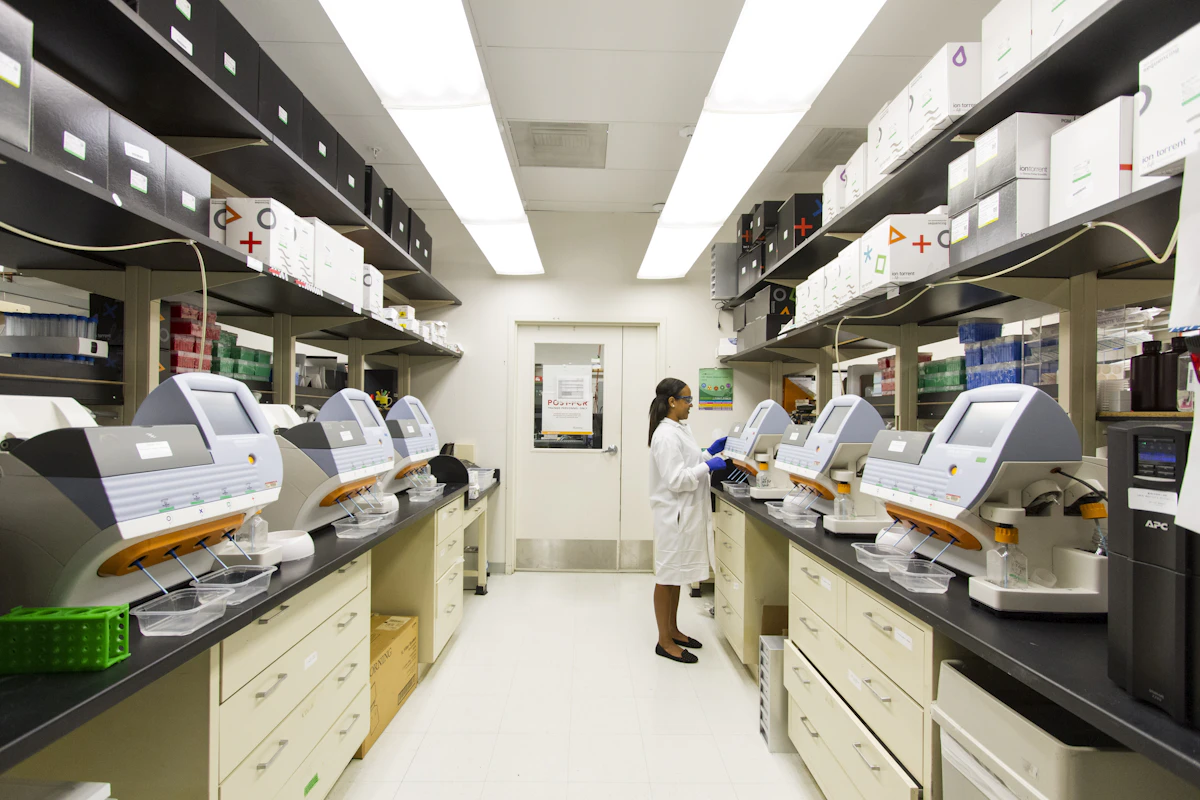
Aspen Neuroscience's ASPIRO trial (NCT06344026) is evaluating sasineprocel (ANPD001) — an autologous therapy derived from the patient's own skin or blood cells. Those cells are reprogrammed in the laboratory into induced pluripotent stem cells (iPSCs), then guided to become dopaminergic neuron precursors — the exact type of cell that Parkinson's destroys. The resulting cells are then injected directly into the affected region of the patient's brain.
Because the cells are derived from the patient themselves, no immune suppression is required. Previous cell therapies using donor tissue required patients to take powerful immunosuppressant drugs indefinitely, with serious side effects. Sasineprocel bypasses this entirely.
12-Month Results: What the Data Shows
Positive 12-month results from the first eight treated patients — four in a low-dose cohort and four in a high-dose cohort — were presented at the AD/PD™ 2026 International Conference on Alzheimer's and Parkinson's Diseases in March 2026. Key findings:
- More 'Good ON' time: The period during which patients have effective symptom control increased by 2.1 hours per day in the low-dose group and 2.4 hours per day in the high-dose group.
- Improved motor function: MDS-UPDRS Part III scores — the standard clinical measure of Parkinson's motor symptoms — improved by 15.5 points (low-dose) and 13.5 points (high-dose).
- Better quality of life: Patient-reported quality-of-life scores improved by 51.6% in the low-dose group and 28.5% in the high-dose group.
- Cell survival confirmed: FDOPA PET brain imaging showed the transplanted cells had survived and successfully engrafted, providing biological evidence for the clinical improvements observed.
There were no serious surgical adverse events, no severe graft-induced dyskinesia, and no symptomatic hemorrhages or infarctions across the entire treated group.
What Comes Next
Sasineprocel has received Fast Track designation from the U.S. Food and Drug Administration — a status granted to therapies addressing serious conditions where preliminary evidence is compelling. Aspen Neuroscience plans to advance to a Phase 3 trial later in 2026, which would enrol a much larger patient population to confirm the efficacy signal seen here.
Parkinson's disease affects approximately 10 million people worldwide, with around 90,000 new diagnoses in the United States each year. It is the fastest-growing neurological condition in the world. For a community that has watched decades of promising research fail to translate into disease-modifying treatments, these results — cautious as they are at Phase 1/2a — represent something genuinely new.
The cells came from the patients themselves. And in eight people, they appear to have started repairing the damage.
Sources: Aspen Neuroscience press release, March 2026; AD/PD™ 2026 International Conference presentation; prnewswire.com; neurologylive.com