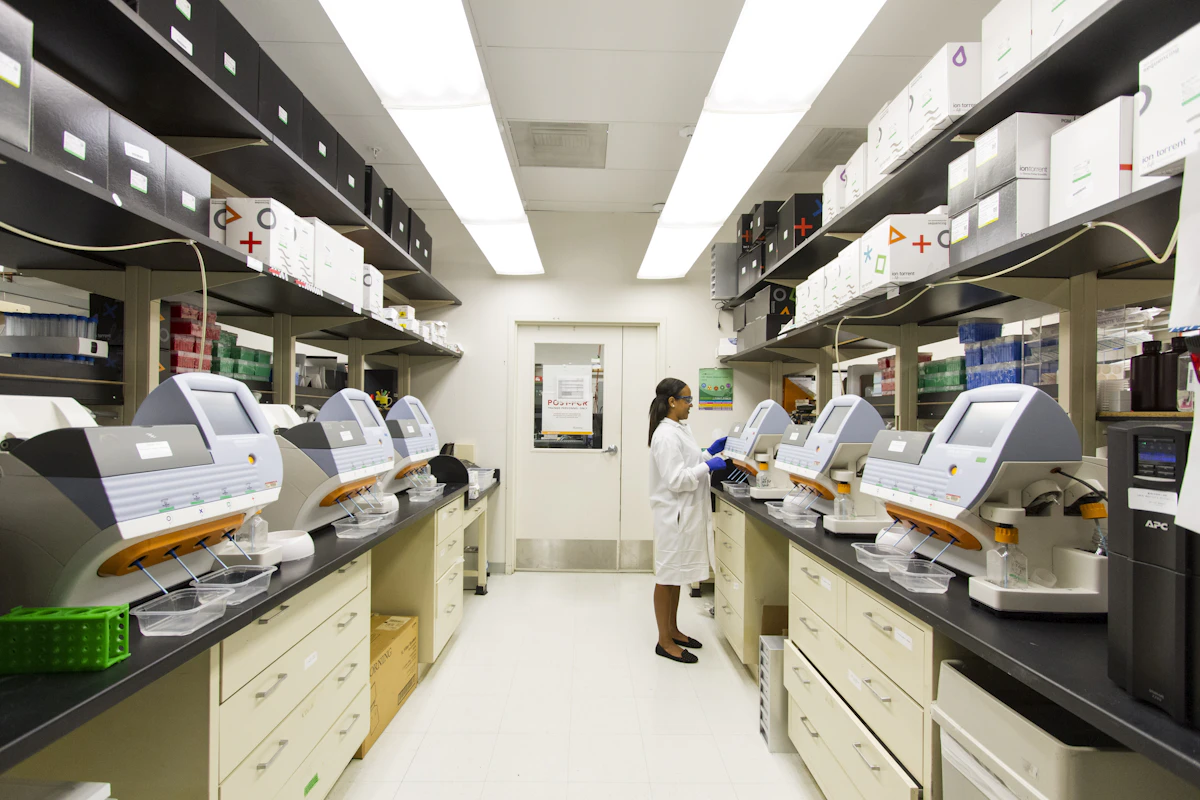
CAR-T cell therapy has already transformed treatment for some blood cancers. But it comes with a massive catch: to create CAR-T cells, doctors must extract blood from a patient, ship it to a manufacturing facility, genetically engineer the T cells over several weeks, and then re-infuse them. The process is slow, expensive (often exceeding $400,000 per treatment), and logistically complex — meaning many patients can't access it quickly enough, or at all.
A study published in Nature on March 18, 2026 by researchers at UC San Francisco may have found a way to bypass all of that.
The Breakthrough
The UCSF team developed a single-injection system that reprograms a patient's own T cells into CAR-T cells while they're still inside the body — without ever removing them.
The system uses a two-part delivery mechanism, including CRISPR-Cas9 gene editing, to precisely insert a chimeric antigen receptor (CAR) transgene into the TRAC locus of T cells in the living organism. The result: the patient's immune system is directly re-engineered to recognise and attack cancer cells, in a single outpatient injection.
The Results in Animal Studies
In preclinical studies on mice with human immune systems:
- 18 of 20 mice with aggressive leukemia had all detectable cancer cleared
- The approach also worked against multiple myeloma
- Crucially, it showed activity against solid sarcoma tumours — historically one of the most challenging targets for CAR-T therapy
- In-body engineered T cells outperformed lab-manufactured ones: they expanded faster, expressed the cancer-targeting protein more consistently, and reached peak activity earlier
Why This Could Change Everything
If this approach translates to humans, the implications are profound. CAR-T therapy could become:
- Dramatically faster — no weeks-long manufacturing delay
- Far less expensive — no specialist manufacturing facilities required
- Accessible globally — a single injectable, potentially manufacturable at scale
Clinical trials in humans are the next step. The UCSF team noted that their system is designed for safety, with the CRISPR components clearing from the body quickly after delivery.
This is preclinical data — the jump to human trials is still ahead — but the results are, by any measure, remarkable.
Sources: Nature (March 18, 2026) · UCSF News · SciTechDaily · Karolinska Institute news release