European Union Bans the Destruction of Unsold Clothing and Shoes — A Major Win for Sustainability
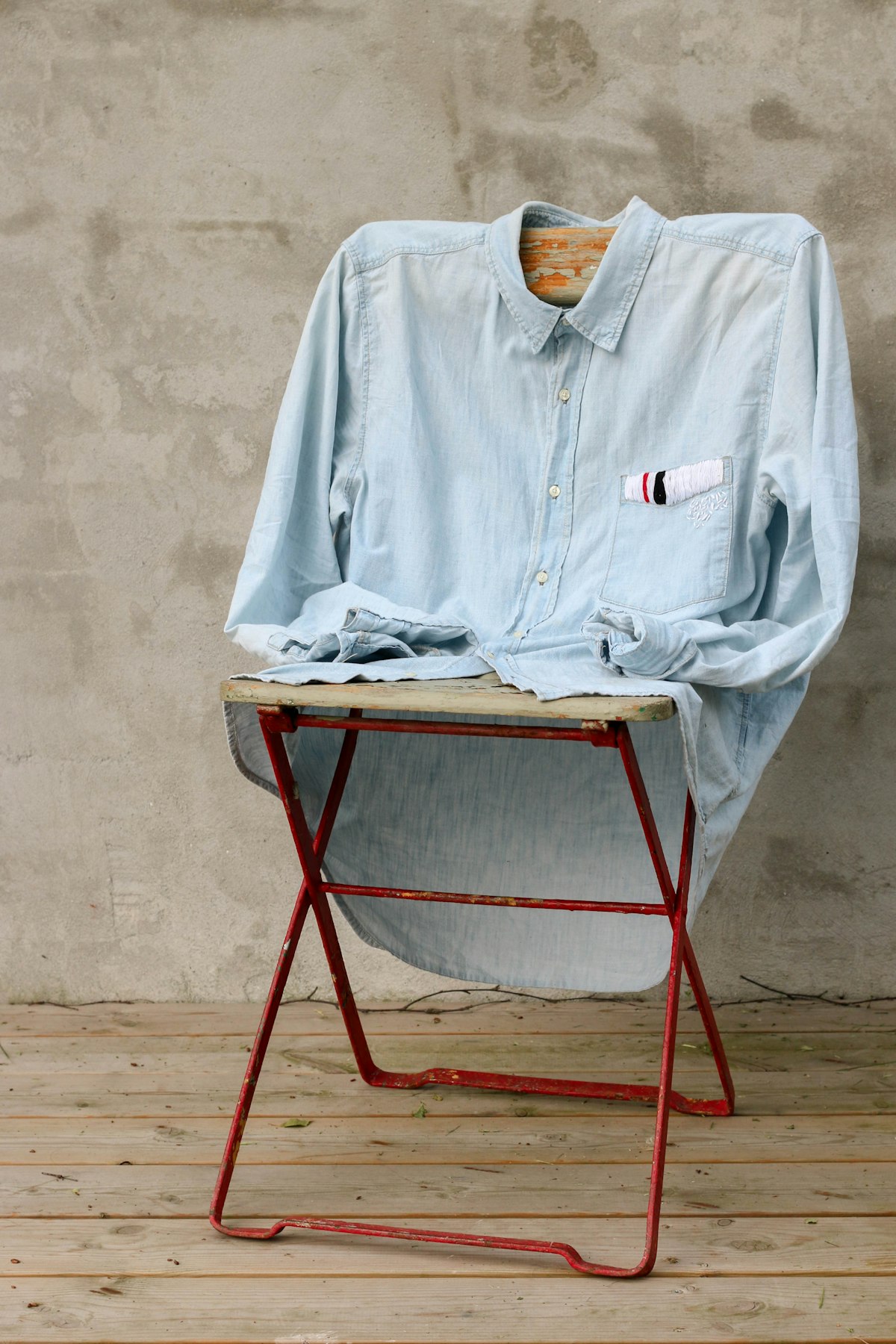
The European Union has taken a bold step toward ending one of the fashion industry's dirtiest secrets: the mass destruction of perfectly good clothes and shoes that simply didn't sell.
Under new regulations introduced as part of the EU's transition to a circular economy, companies are now prohibited from destroying unsold textiles and footwear. Instead, businesses must manage their stock more effectively — through resale, remanufacturing, donations, or reuse.
Why This Matters
The numbers behind fashion waste are staggering. Globally, 92 million tonnes of textiles end up in landfills every single year. In Europe alone, the destruction of unsold clothing generates approximately 5.6 million tonnes of carbon dioxide emissions annually.
The fast fashion model has long relied on overproduction — making far more than can be sold, then quietly incinerating or landfilling the surplus. This new regulation attacks the problem at its root by making that practice illegal.
Part of a Bigger Picture
The clothing ban is part of a broader EU regulatory package focused on improving the durability, reusability, and repairability of products across multiple industries. The goal is to ensure that resources are used more efficiently and waste is dramatically reduced.
Exceptions exist for genuine product safety concerns, but the days of burning perfectly wearable clothes to protect brand exclusivity are numbered.
A Cultural Shift in Fashion
Environmental advocates have praised the move, though some note that simply donating textile waste to developing nations — without addressing overproduction — can create its own environmental problems. The most impactful change, experts say, is producing less in the first place.
This regulation sends a clear signal: the era of disposable fashion is coming to an end, and the circular economy is becoming the new standard.
Source: Earth.org · Via Good Good Good