A Kenyan Fishing Village Gave Up Fishing to Save Its Coral Reef — and Now the Reef Is Saving Them Back
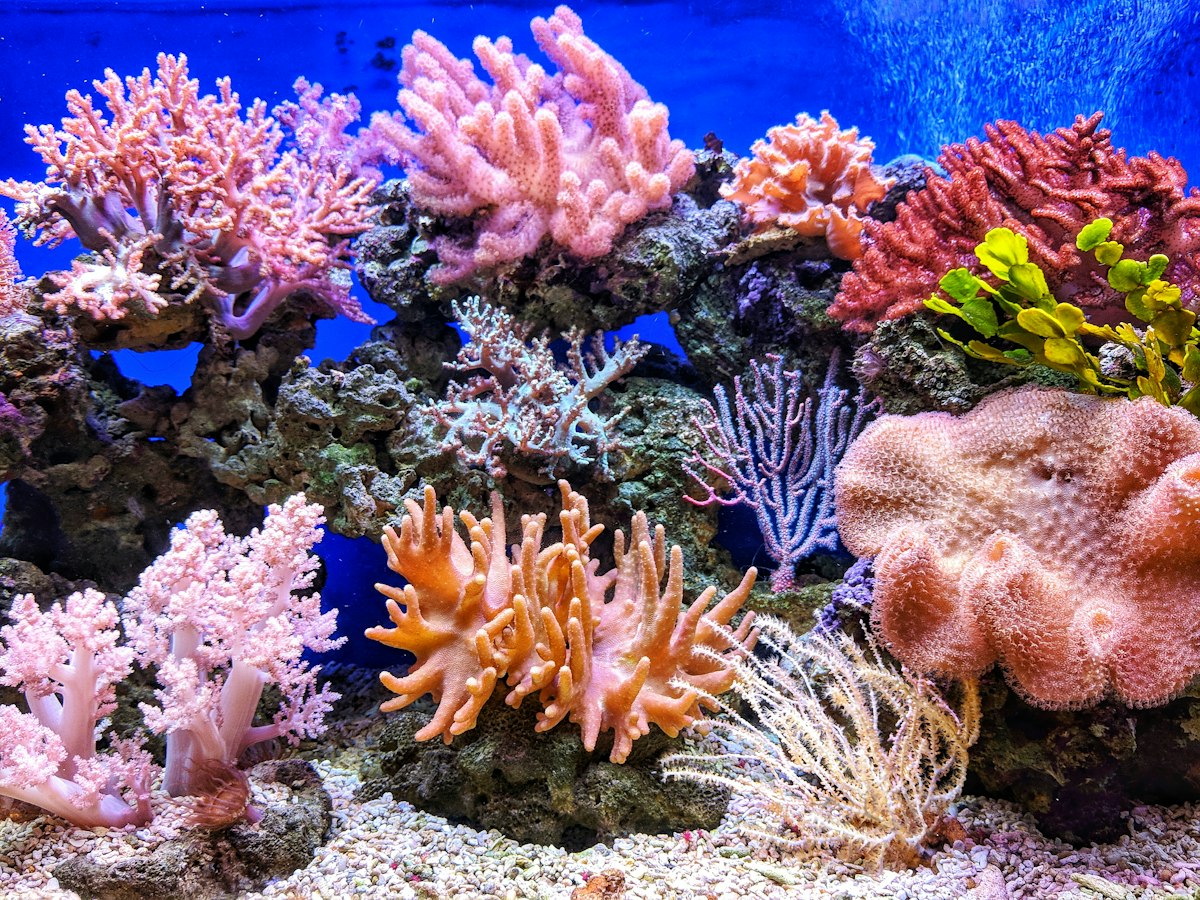
On the Kilifi coast of Kenya, a small fishing community made one of the boldest decisions in marine conservation history: stop fishing entirely in their local waters to give a dying reef a chance to recover. Two decades later, the gamble has paid off spectacularly — not just for the ocean, but for the people who depend on it.
A Reef in Crisis
By the early 2000s, the coral reef off Kuruwitu was in serious trouble. Decades of overfishing, destructive fishing methods, uncontrolled collection of marine life, and the growing impact of climate change had devastated what was once a thriving underwater ecosystem. Fish populations had collapsed. The coral was dying. And the community that had relied on these waters for generations was watching its livelihood disappear.
In 2003, a group of concerned community members formed the Kuruwitu Conservation and Welfare Association (KCWA). Their mission was radical: save the reef by leaving it alone.
The No-Take Zone
In 2005, Kuruwitu established a 30-hectare "no-take" Marine Protected Area — known locally as a tengefu (Swahili for "set aside"). It became Kenya's first coral-based Locally Managed Marine Area. No fishing, no harvesting, no exceptions within the protected zone.
The decision wasn't easy. Fishermen were being asked to give up access to waters they had worked for their entire lives. But community leaders made the case that without intervention, there would soon be nothing left to fish at all.
Nature Responds
Within 12 years of the fishing ban, the results were staggering:
- Fish biomass increased by 400% within the protected zone
- Live hard coral coverage grew by 30%
- Fish populations grew in abundance, size, and diversity
- The protected area became a vital breeding ground, with fish spilling over into surrounding waters
That last point turned out to be crucial. The "spillover effect" meant that fishermen working outside the MPA actually caught more fish than before the ban — because the protected zone was constantly replenishing surrounding waters with healthy, breeding populations.
From Fishing to Ecotourism
As the reef recovered, something unexpected happened: tourists started coming. The vibrant marine life — colourful fish, healthy coral, and clear waters — attracted snorkellers, divers, and nature lovers. Local youth who had been trained in coral restoration became guides. Boat captains offered tours. Rangers patrolled the sanctuary.
Ecotourism is now providing more income to the community than fishing ever did. Jobs as guides, boat operators, and reef rangers have created sustainable livelihoods that don't require extracting anything from the ocean. Foreign exchange flows directly into the local economy.
Royal Recognition and Global Partnerships
Kuruwitu's success has drawn international attention. In November 2023, King Charles III visited to learn about the restoration efforts, even launching a special coral structure. The visit elevated Kuruwitu's profile on the global conservation stage and attracted new partnerships.
The Oceans Alive Foundation, a key partner, has planted over 15,000 coral colonies in the area since 2019, cultivating resilient fragments in underwater nurseries and transplanting them onto artificial structures. A partnership with Canon Inc., launched in late 2025, aims to further enhance marine tourism and conservation efforts.
A Model for the World
Kuruwitu's story is now being studied and replicated across East Africa and beyond. It demonstrates that community-led conservation — where the people most affected by environmental decline are empowered to lead the solution — can deliver results that rival or exceed top-down government programmes.
The message is simple but profound: when a community has the courage to let nature heal, nature doesn't just recover — it gives back more than was ever taken. 🪸🐠🌍
Source: The Star (Kenya)