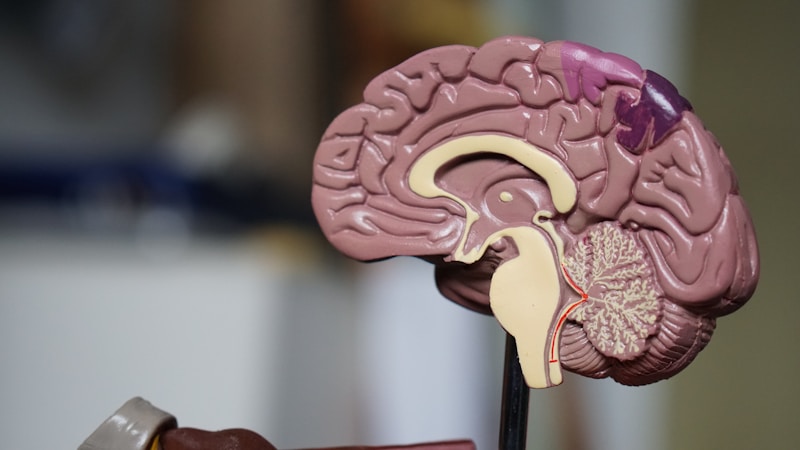
For the parents of a child with Dravet syndrome, the word "seizure" carries a particular weight. This is not a mild condition. Dravet syndrome is a **rare, severe form of epilepsy** caused by a genetic mutation — usually in the SCN1A gene — that begins in infancy and leads to prolonged, difficult-to-control seizures that can last hours and can be life-threatening. Standard anti-seizure medications help but rarely transform outcomes.
New clinical trial data published in the **New England Journal of Medicine** in March 2026 may change that permanently.
**What Is Zorevunersen?**
**Zorevunersen** (developed by Stoke Therapeutics, now in collaboration with Biogen) is a genetic medicine — specifically an antisense oligonucleotide (ASO). Rather than simply suppressing seizure activity like conventional drugs, it works **upstream**: targeting the genetic root cause of the condition.
In Dravet syndrome, one copy of the SCN1A gene is faulty, leaving brain cells unable to produce enough of a critical sodium channel protein. Zorevunersen essentially "upregulates" the healthy copy of the gene — increasing the production of the working protein and reducing the abnormal electrical activity that causes seizures.
**The Trial Results**
Four landmark studies — **MONARCH**, **ADMIRAL**, **SWALLOWTAIL** (led by Cook Children's / Dr. M. Scott Perry at Northwestern), and **LONGWING** — enrolled children and teenagers aged 2–18 with confirmed Dravet syndrome. Zorevunersen is administered via **spinal tap** (intrathecal injection).
The results, now published in the *New England Journal of Medicine*:
✅ **Significant reduction in seizure frequency** ✅ **Improved decision-making and social interaction** — outcomes not seen with standard medications ✅ **Better communication skills** — families reported children speaking more fluently ✅ **Motor skill improvements** — enhanced physical coordination and movement ✅ **Improvements in adaptive behaviours** broadly
These developmental gains are the headline. Standard anti-seizure medications suppress brain activity — they can be effective for seizure reduction but do little for the cognitive and behavioural toll of the condition. Zorevunersen appears to meaningfully address both.
"These studies demonstrate that zorevunersen modifies Dravet syndrome by targeting its genetic root cause," said investigators involved in the trials. "The improvements in communication, social interaction, and adaptive behaviours were not typically observed with standard anti-seizure medications alone."
**Phase 3 Underway**
A Phase 3, double-blind, placebo-controlled trial called **EMPEROR** is currently enrolling, with completion expected in Q2 2026. This is the pivotal trial that will determine whether zorevunersen can reach regulatory approval. If EMPEROR confirms what earlier studies showed, a genuine disease-modifying treatment for Dravet syndrome could be available within years.
**Why This Matters**
Dravet syndrome affects approximately **1 in 15,000–20,000 births**. It causes not only seizures but cognitive impairment, developmental delays, behavioural difficulties, and in some cases sudden unexpected death in epilepsy (SUDEP). For years, families have managed the condition but never had hope of meaningfully changing its course.
Gene-targeting therapies represent a paradigm shift — moving from "manage the symptom" to "address the cause." Spinal muscular atrophy (SMA) was transformed by this approach. Huntington's disease trials are underway. Dravet syndrome may be next.
For the families living with this condition, the New England Journal publication is more than a paper. It's a signal that help is coming. 💛🧠
*Sources: New England Journal of Medicine · Northwestern University Feinberg School of Medicine · Cook Children's / CheckUp Newsroom · Lurie Children's Hospital · Biogen · EurekAlert · March 2026*